
In order to improve our services and the browsing experience, we inform you that we use cookies.
Accept
Refuse
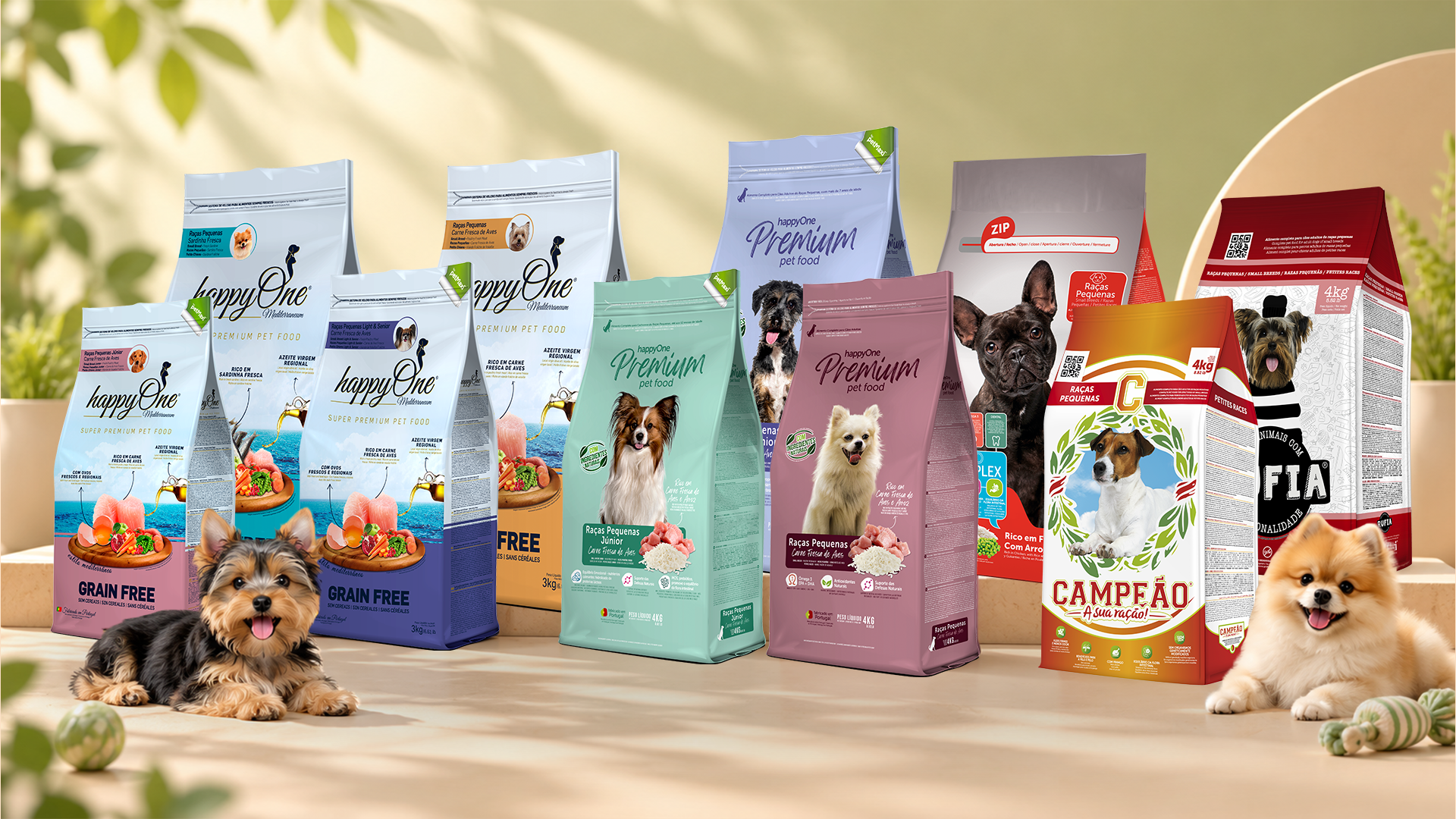
Learn what to consider when choosing food for small breed dogs, including nutritional characteristics, kibble size, daily amount, age and activity level.
Small breed dogs have specific characteristics that should be considered when choosing their food. Weighing less does not simply mean needing a proportionally smaller amount of the same food as a larger dog.
Size is only one factor to consider. Two small dogs can have very different ages, activity levels and body conditions, so their diet should be adapted to their individual characteristics.
The nutritional profile and recommended daily feeding amount are also important. In a dog weighing only a few kilograms, small differences in the amount provided can be significant, so the feeding guide should be used as a reference while regularly monitoring weight and body condition.
Kibble size may also be relevant. Some formulas for small breed dogs use smaller kibble that is better suited to the size of the dog’s mouth and may make it easier to pick up and chew.
Life stage should also be taken into account. A small breed puppy has different needs from an adult or senior dog, so choosing a food simply because it is labelled “Small” or “Mini” is not enough.
Activity level is another important factor. Highly active small dogs may have different needs from dogs with a less active lifestyle.
When comparing different options, consider life stage, composition, protein, fat, fibre, kibble size and recommended daily feeding amount together.
With the petMaxi comparison tool, you can compare different foods side by side and more easily understand what sets each option apart.
Compare dog food with the petMaxi comparison tool!