
In order to improve our services and the browsing experience, we inform you that we use cookies.
Accept
Refuse
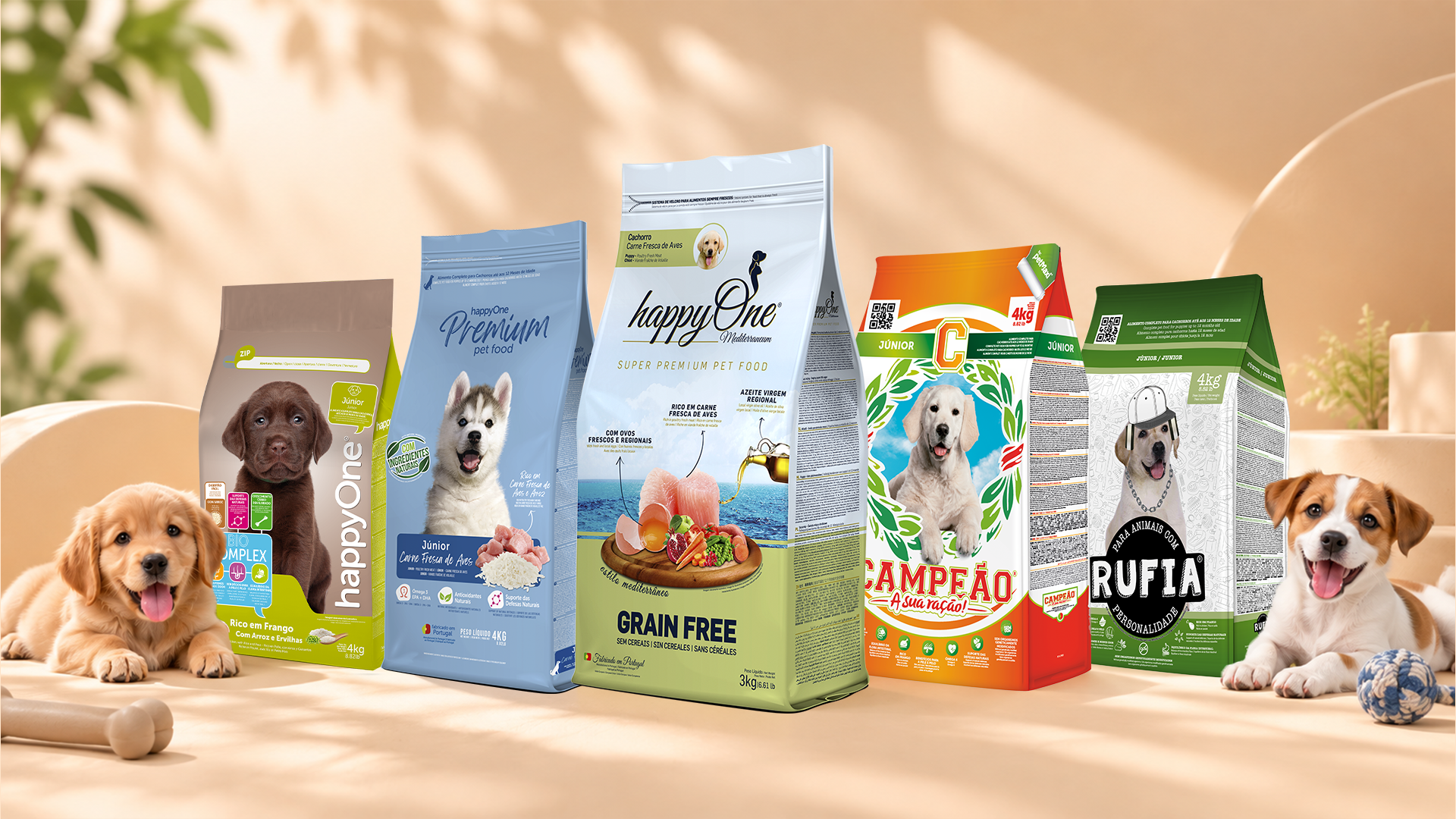
Learn what to consider when choosing puppy food, including growth, size, protein, daily feeding amount and transition to adult food.
During the first months of life, a puppy goes through a particularly important period of growth and development, so its diet should be suited to this stage.
Start by checking that the food has been developed for puppies or growing dogs. A formula for adult dogs does not necessarily have the same nutritional profile as food intended for the growth stage.
The dog’s size should also be considered, as the rate and duration of growth can vary. Where relevant, check whether the food includes specific indications for small, medium or large dogs.
Consider the nutritional profile as a whole. Protein, crude fat and other nutrients should be assessed together, as a higher percentage of a particular nutrient does not automatically mean that the food is more suitable.
You should also check the composition and look at the main raw materials and protein sources. The first ingredient provides useful information, but it should be interpreted alongside the other ingredients and analytical constituents.
As the puppy grows, its weight and nutritional needs change quickly. Check the feeding guide regularly and adjust the daily feeding amount according to the puppy’s age, weight and development.
Monitoring body condition is equally important. The aim is not simply to promote rapid growth, but balanced development. Routine veterinary appointments are a good opportunity to monitor this progress.
The appropriate time to transition to adult food depends, among other factors, on the dog’s size and development. When the time comes, make the change gradually.
With the petMaxi comparator, you can view different puppy foods and compare their main characteristics.
Compare foods with the petMaxi comparator:
https://comparador.petmaxi.pt/