
In order to improve our services and the browsing experience, we inform you that we use cookies.
Accept
Refuse
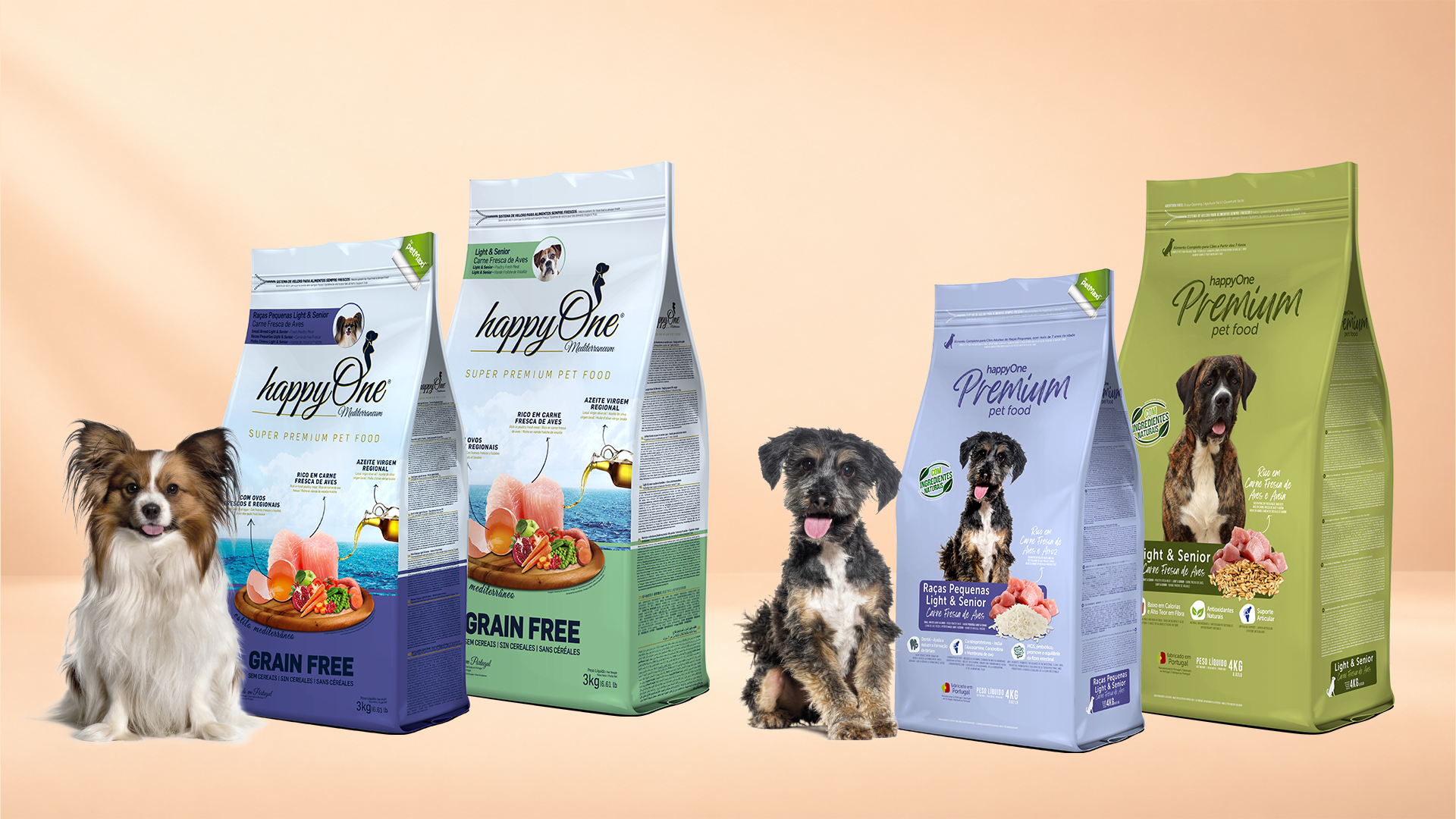
Learn what to consider when choosing senior dog food, including body condition, activity level, protein, fat, fibre and individual needs.
As dogs age, their activity levels, body condition and nutritional needs may change. Choosing a food for a senior dog therefore involves considering more than just the age indicated on the packaging.
Not all dogs age at the same rate. Size, breed and individual characteristics can influence this process, which means there is no single age at which every dog should be considered senior.
At this stage, it is important to regularly monitor weight and body condition. Some dogs become less active and may gain weight, while others may lose weight or muscle mass. These changes should be taken into account when choosing their food.
Protein continues to play important roles in the body and should not automatically be reduced simply because a dog is older. Its level should be considered within the overall formulation and the individual needs of the dog.
Fat and fibre levels can also vary between products and should be assessed alongside activity level, body condition and the recommended daily feeding amount. There is no single nutritional profile suitable for every senior dog.
The size and texture of the kibble may also be relevant. Appetite, acceptance of the food and ease of eating should be monitored.
Always check the feeding guide, as the recommended daily amount can vary between products, and regularly monitor your dog’s weight and body condition.
If your dog has a diagnosed disease or another specific medical condition, its dietary needs may be different. In these cases, seek veterinary advice.
With the petMaxi comparison tool, you can compare different foods for senior dogs and review their main characteristics side by side.
Compare dog food with the petMaxi comparison tool!